
For years, the voice Jenn Nourse once called “Ed” — the inner narrator of her teenage eating disorder — stayed quiet, hovering faintly in the background of her adult life. Then, unexpectedly, it came roaring back. This time, it wasn’t whispering. It was in control.
After decades of managing recovery, Nourse noticed the familiar urges intensifying soon after she began taking GLP-1 medications. “I’d flirted with symptoms on and off for years,” she explained. “But I didn’t experience a full relapse until I started the injections.”
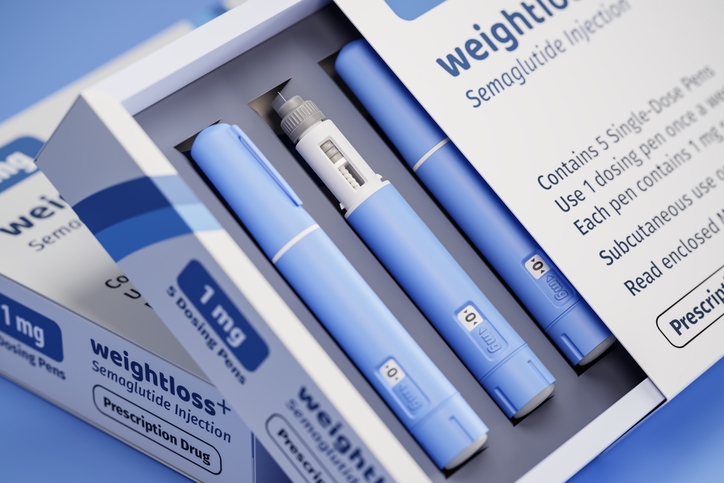
Her story is becoming increasingly common as weight-loss drugs surge in popularity. Medications like Ozempic and Wegovy have transformed how millions approach obesity, diabetes, and metabolic health. Yet beneath the dramatic success stories, clinicians are seeing a troubling pattern: GLP-1 medications reignited eating disorders, and stopping the injections doesn’t always fix the problem.
A Quiet Recovery, Suddenly Disrupted
Nourse, now 50, first struggled with food restriction as a teenager after comments about her athletic body chipped away at her self-image. What began as subtle dieting escalated into laxatives, diet pills, and eventually hospitalization for anorexia. Over time, her disorder evolved into cycles of bingeing and purging — until adulthood, motherhood, and therapy pushed it into the background.
That stability cracked in early 2024. Alarmed by weight gain, Nourse was referred to an obesity specialist who recommended semaglutide to address insulin resistance and fatty liver disease. She didn’t disclose her history of anorexia and bulimia — and within weeks, appetite suppression felt dangerously familiar.
“The food noise vanished,” she said. “I realized I could eat under 1,000 calories a day and feel fine. And Ed loved that.”
What Doctors Are Seeing Nationwide
According to clinicians across the U.S., Nourse’s experience isn’t isolated. Providers report treating patients whose long-dormant eating disorders resurfaced on GLP-1 drugs — and others who developed new, intense struggles with food and body image.
“It’s not just people in acute illness,” said Dr. Brad Smith, chief medical officer at Emily Program. “We’re seeing relapses in people who functioned well for years. The impact can be profound.”
GLP-1 medications work by mimicking hormones that regulate appetite and digestion. Users feel fuller faster, eat less, and experience less intrusive thinking about food. For many, that’s life-changing. For others, especially those vulnerable to disordered eating, it can be destabilizing.
New Triggers, Old Patterns
Jo Clark-Smith, a 35-year-old data scientist from Virginia, hadn’t actively battled disordered eating since adolescence. Prescribed Wegovy to manage genetically high cholesterol, they weren’t screened for eating-disorder history before starting treatment.
“Before I even took my first dose, I was back in weight-loss forums, looking at thinspiration,” Clark-Smith said. “It felt like being 14 again.”
Although Clark-Smith stopped the medication after two months, the obsessive thoughts lingered — proof that simply discontinuing the drug doesn’t always restore mental balance.
Mental-health professionals say this lack of screening is a major gap. “With bariatric surgery, psychological evaluations are standard,” noted therapist Sarah Davis. “With GLP-1s, that safeguard often isn’t there.”
Drug labeling advises prescribers to ask about mental-health history, but implementation varies. A spokesperson for Novo Nordisk, which manufactures semaglutide, emphasized that patient safety remains a priority and that the drugs’ benefits are well-documented.
When Weight Loss Fuels the Illness
As Nourse lost weight, praise from others poured in — reinforcing the disorder’s grip. “Every compliment told Ed I needed to keep going,” she said.
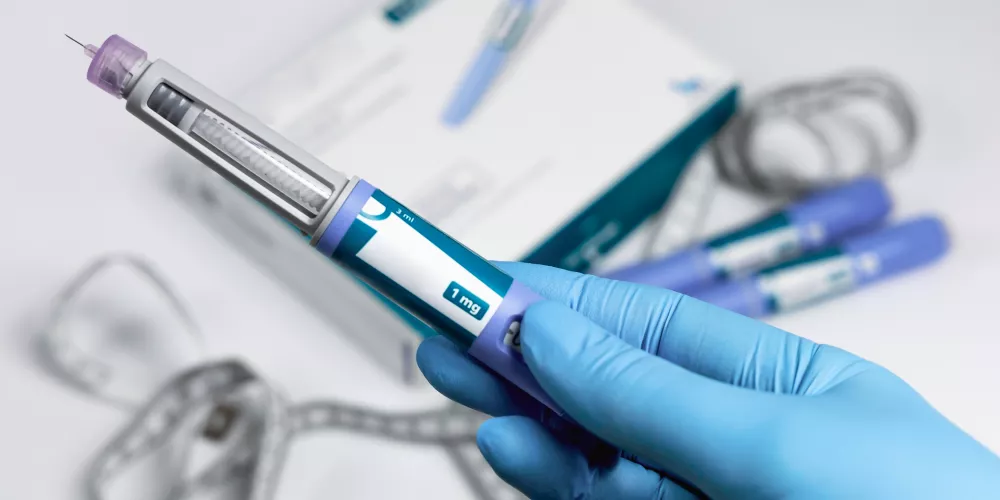
Even after tapering off semaglutide with professional support, the eating disorder tightened its hold. Restriction escalated, bulimia returned, and daily life revolved around food — or avoiding it.
Dr. Thea Gallagher, a psychologist at NYU Langone, explains why this happens: “Eating disorders hijack mental space. Once those behaviors are reinforced, they don’t automatically disappear when the trigger is removed.”
Clinical psychologist Dr. Zoe Ross-Nash adds that GLP-1s can unintentionally reward disordered behaviors, making them harder to break even after stopping medication.
Awareness Matters More Than Ever
Eventually, Nourse entered an intensive outpatient treatment program. Recovery is ongoing, but she’s reclaiming control. “Ed isn’t driving anymore,” she said. “But people with a history of disordered eating need to be brutally honest before starting these drugs.”
As prescriptions continue to rise, experts stress that GLP-1s aren’t inherently good or bad — context is everything. Proper screening, transparency, and close monitoring can make the difference between healing and harm.
“These medications can be incredibly helpful,” Ross-Nash said. “But like any powerful tool, without safeguards, they can cause serious damage.”
For patients and doctors alike, the message is clear: weight loss should never come at the cost of mental health — and recovery, once disrupted, isn’t always easily restored.
