
It usually begins with something subtle.
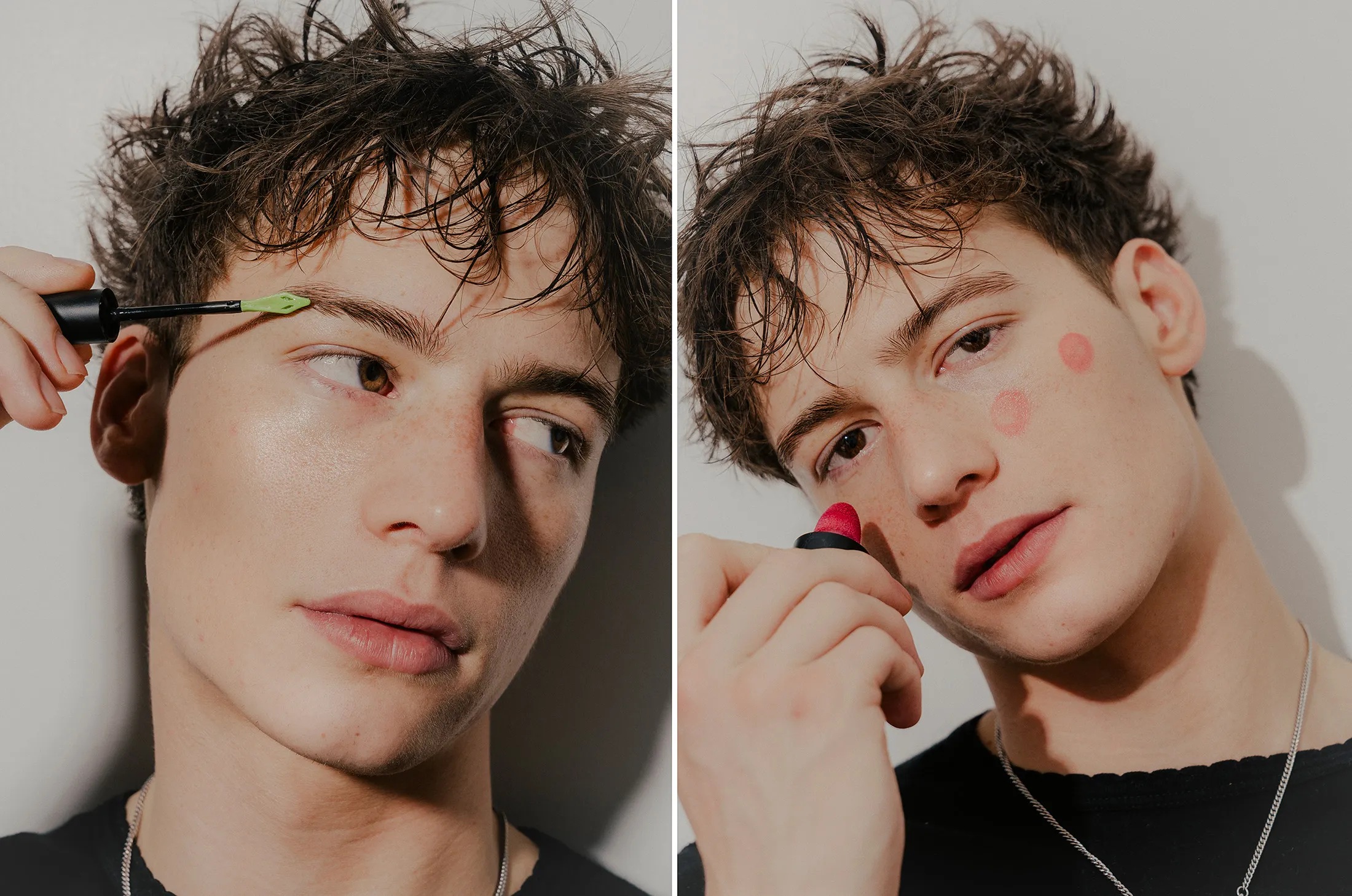
A quick swipe of concealer. A tinted moisturizer before heading out. Maybe a brow gel that starts as a borrowed item and quietly becomes a personal staple. For many men today, makeup is no longer a taboo topic — it’s a practical tool for looking refreshed, confident, and put together.
Daniel Rankin, a 24-year-old advertising professional from New York, remembers the hesitation clearly. The first time he picked up makeup, it felt unfamiliar, even awkward. But that feeling didn’t last long. Once he saw the results, using makeup quickly became routine rather than rebellious.
That shift is happening far beyond Rankin’s bathroom mirror. From gym locker rooms to daily skincare routines, more men are incorporating cosmetic products into their lives. Industry experts say this change is fueling one of the most promising growth areas in beauty today — and retailers are paying attention.
A Market Finally Coming Into Focus
The men’s makeup and grooming category is now viewed as one of the beauty industry’s most underdeveloped yet lucrative opportunities. Major retailers such as Sephora, Ulta Beauty, Target, and Walmart are expanding their offerings, while brands scramble to secure early loyalty.
According to industry analysts, men’s grooming sales in the U.S. surpassed $7 billion in 2025, growing steadily year over year. Globally, the market is projected to climb well past $80 billion in the coming decade, with skincare leading the surge.
Experts say the appeal lies in repeat behavior. Unlike a one-time grooming purchase, makeup encourages experimentation and restocking. A man who starts with concealer often adds primer, setting powder, or tinted SPF over time — turning curiosity into habit.
Gen Z Is Driving the Change
Much of this momentum is being powered by younger consumers.
Gen Z men are adopting skincare and cosmetics at rates unseen in previous generations. In just a few years, usage of facial skincare products among young men in the U.S. has jumped dramatically, signaling a deeper cultural shift rather than a passing trend.
Industry leaders agree this isn’t niche behavior anymore. Men are building routines, starting with skincare and gradually branching into makeup. That consistency is what makes the market so valuable.
At the core of this transformation is a simple reality: Gen Z and social media are pushing men’s makeup into the mainstream, and the beauty industry is racing to cash in.
Retailers Rethink How They Sell to Men
As demand grows, retailers are rethinking how they present men’s beauty products.
Instead of isolating items in labeled “Men’s” sections, stores like Sephora and Ulta are integrating complexion products into gender-neutral, skincare-first displays. Experts say this approach reduces stigma and makes browsing feel more approachable.
Big-box retailers are also adapting. Partnerships with Gen Z-focused digital collectives and creators have helped brands launch men-forward beauty lines that feel modern rather than forced.
Online, the shift is even more pronounced. Brands are investing heavily in influencer marketing across TikTok, Amazon, and other social platforms, meeting consumers where discovery already happens. Short tutorials, honest product reviews, and before-and-after clips make learning easy — and buying instant.
Some brands are going a step further by embedding education directly into their packaging. QR codes that lead to quick video tutorials help remove uncertainty, which experts say is the biggest barrier for first-time users.
Social Stigma Still Lingers
Despite rapid growth, the path forward isn’t entirely smooth.
Social stigma remains a hurdle, especially outside major cities. Inflation and economic uncertainty may also limit spending on experimental, nonessential products. And there’s a learning curve: it’s hard to scale a category when many consumers are still figuring out how to use the products.
Still, openness is increasing. Surveys show the number of men who say they never wear makeup has dropped significantly over the past few years — a sign that resistance is slowly eroding.
From History to the TikTok Era
While the trend feels new, men wearing makeup is anything but modern. From ancient civilizations to royal courts in Europe, cosmetics have long been part of male presentation.
The current commercial movement, however, began gaining traction in the mid-2010s, when male creators started breaking beauty norms online. Social media became the great accelerator, offering step-by-step guidance without judgment.
Platforms like TikTok and Instagram removed the gatekeepers. Men could watch someone who looked like them cover acne, even skin tone, or reduce shine — all in under a minute. That accessibility transformed curiosity into confidence.
At the same time, makeup has been reframed as part of self-maintenance rather than vanity. It now sits alongside fitness tracking, supplements, and grooming routines in a broader culture of self-optimization.
Celebrity Brands and the Road Ahead
Celebrity involvement has added fuel to the fire. High-profile figures launching skincare and grooming brands have normalized men’s beauty even further, positioning it as aspirational rather than fringe.
As the market matures, a key question is emerging: do men want products labeled “for men,” or do they just want good makeup?
Some brands argue that men need formulations and packaging tailored to their skin and preferences. Others see the future as entirely gender-neutral, with Gen Z gravitating toward brands that reject rigid labels altogether.
Many industry experts believe that within a decade, the term “men’s makeup” may disappear entirely.
Instead, makeup will simply be makeup — and the numbers suggest the culture is already moving in that direction.
