
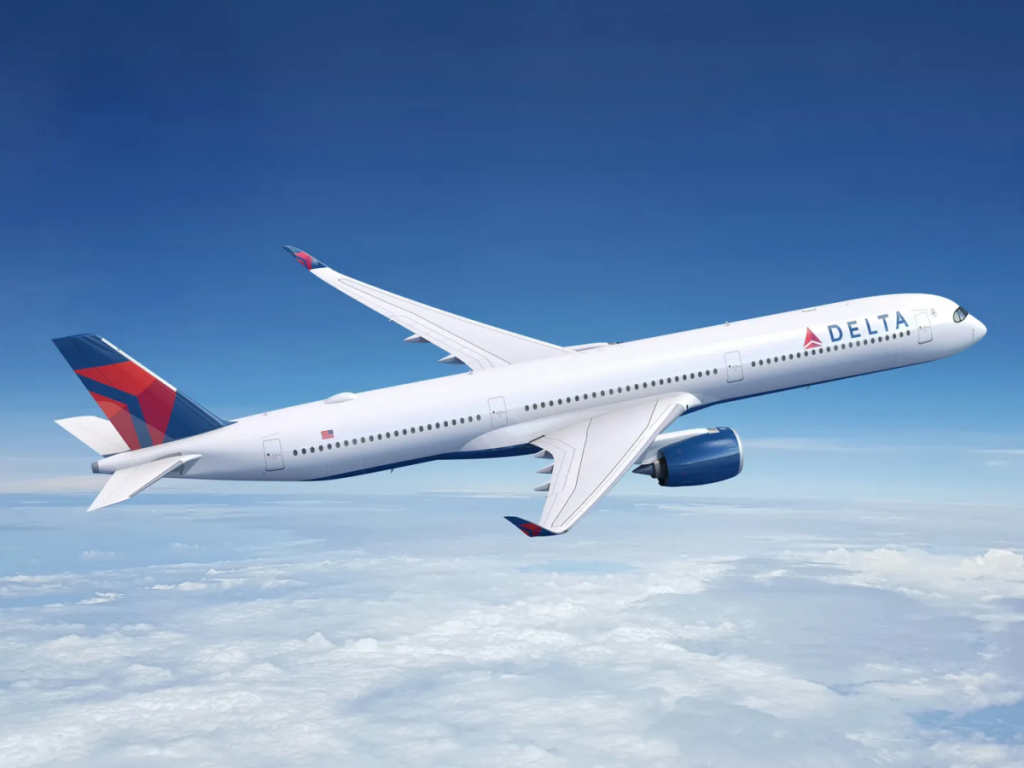
Delta Air Lines is setting its sights on another standout financial year, with leadership pointing to strong demand from high-spending travelers as a key driver of momentum. Delta’s CEO says the airline is on track to achieve record profits again, driven by strong demand for premium travel, even as broader economic uncertainties remain in focus.
Chief Executive Officer Ed Bastian said the airline expects earnings to climb by more than 20% this year compared with 2025 levels, potentially pushing results to an all-time high. Delta projected adjusted earnings per share in the range of $6.50 to $7.50 for the year, broadly in line with Wall Street expectations of $7.25 per share.
As the first major U.S. airline to release quarterly results this year, Delta also provided an upbeat outlook for the start of 2026. The company anticipates revenue growth of up to 7% in the first quarter, alongside adjusted earnings between 50 cents and 90 cents per share. Analysts surveyed by LSEG had forecast earnings of about 72 cents per share for the period.
Premium Seats Take Center Stage
According to Bastian, Delta is benefiting from its position at the top end of a “K-shaped” economy, where affluent consumers continue to spend freely despite pressures elsewhere. That trend is clearly shaping the airline’s capacity plans.
“We’re looking closely at our seat growth for the year ahead,” Bastian said. “Virtually none of that growth will be in the main cabin. Almost all of it will be focused on the premium segment.”
The numbers back up that strategy. In the fourth quarter, revenue from main cabin tickets slipped 7% year over year to $5.62 billion. Meanwhile, premium ticket revenue jumped 9% to nearly $5.7 billion, surpassing standard economy sales sooner than Delta had originally expected. While main cabin revenue still led for the full year, the gap is narrowing fast.
Strong Bookings, With a Note of Caution
Delta reported solid booking activity from both leisure travelers and corporate customers in the opening days of the year. The airline entered 2025 expecting record results, but those forecasts were later trimmed after trade tariffs and a prolonged government shutdown disrupted travel patterns and dampened demand.
This time around, Bastian struck a more measured tone. He emphasized that Delta is not yet committing to a record earnings forecast until the broader landscape becomes clearer.
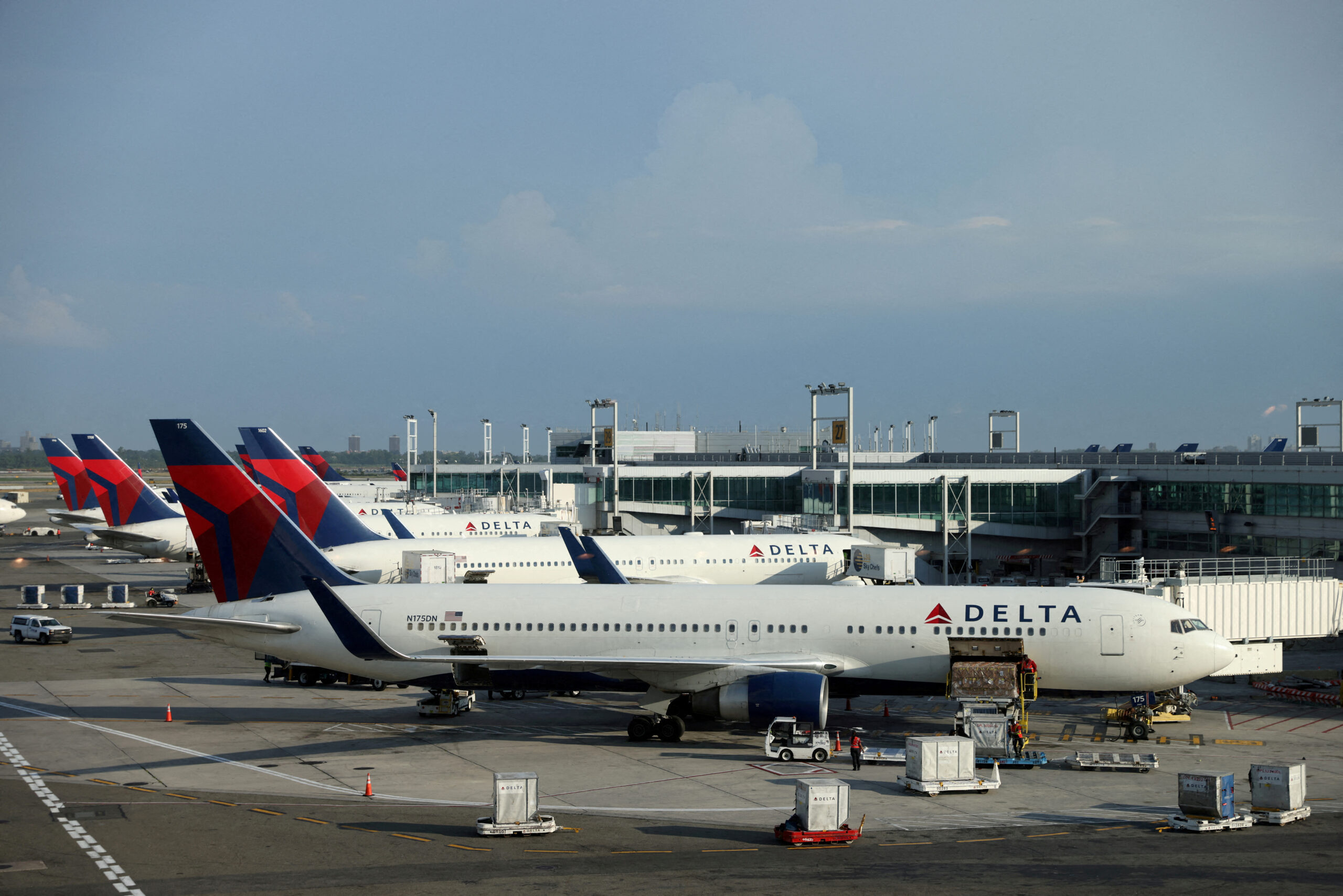
“We’re very aware of the risks,” he said, pointing to geopolitical tensions and shifting domestic policies as key factors that could influence performance in the months ahead.
Q4 Results Beat Expectations
For the fourth quarter, Delta delivered results that slightly exceeded market expectations. Adjusted earnings came in at $1.55 per share, ahead of the $1.53 analysts had predicted, while adjusted revenue totaled $14.61 billion, just shy of estimates.
Even after lowering its outlook, the airline posted a quarterly profit of $1.22 billion, or $1.86 per share, marking a nearly 45% increase from the prior year. Total revenue rose 3% to $16 billion. Excluding one-time items, adjusted profit reached $1.02 billion, reinforcing the strength of Delta’s core operations.
Bastian noted that premium products continue to grow faster than the main cabin, extending a trend that has been building for several years.
Expanding the Long-Haul Fleet
Looking further ahead, Delta announced plans to purchase 30 Boeing 787-10 Dreamliners, marking its first order of the long-haul aircraft from the U.S. manufacturer. The move reflects rising demand for larger jets and long-range travel.
While Delta has relied heavily on Airbus A350s for long-haul routes since retiring its Boeing 777s during the pandemic, the new order signals a more diversified fleet strategy. Deliveries of the 787-10s are expected to begin in 2031, highlighting how airlines are already locking in aircraft slots well into the next decade. Delta also holds options to acquire 30 additional Dreamliners from Boeing.
