
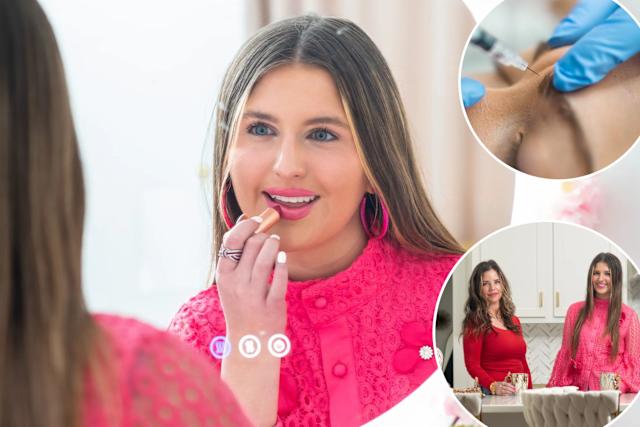
At 16, I already use Botox to prevent wrinkles, and potential risks aren’t holding me back — that’s the mindset that put Alabama teenager Jazlyn Miller at the center of a growing cultural conversation.
When the needle finally touched her skin, it wasn’t nearly as painful as she expected. Just a quick pinch — exactly what her mother had promised. The treatment, initially meant to relieve chronic jaw pain, was Jazlyn’s first experience with Botox. And it didn’t end there.
Within months, the results had her thinking beyond pain relief. Her jaw felt better, and the fear she’d built up around injections faded quickly. That’s when she decided to take the next step — cosmetic Botox — a choice that would soon make her one of the most talked-about teens in her town.
From Medical Relief to Public Scrutiny
At the time, Jazlyn was a high school junior in Fayette, Alabama. Word spread fast. Classmates whispered. Parents weighed in. Many couldn’t wrap their heads around a 16-year-old opting for cosmetic injectables.
Judgment followed swiftly. While some reactions were curious or quietly supportive, others were openly critical. Much of the backlash, however, wasn’t aimed at Jazlyn herself — it was directed at her mother, Jessica Miller.
Jessica stood firm. As an esthetician, she believed her daughter’s feelings mattered more than public opinion. If Jazlyn felt insecure and wanted to address it responsibly, Jessica felt it was her role to support her — not shame her.
A Growing Trend Fueled by Social Media
Jazlyn’s story isn’t an isolated case. Across platforms like TikTok and Instagram, teens and young adults openly document their Botox journeys, often framing it as “preventative” care rather than cosmetic enhancement.
According to Dr. Claudia Kim, chief medical officer at New Look New Life, there’s been a noticeable rise in younger patients seeking injectables. She attributes much of this shift to digital culture.
It’s not aging itself that young people fear, she explains — it’s the stigma attached to looking older. Filters, selfies, and constant comparison have quietly redefined what “normal” skin should look like.
How Young Is Too Young?
Jazlyn says her decision was sparked by faint lines near her eyes and between her brows — marks she blamed on her expressive personality. They weren’t severe, but to her, prevention felt smarter than correction.
Her logic was simple: start now, and future wrinkles won’t stand a chance.
But experts remain divided. Dr. Douglas Monasebian, medical director at Park Avenue Plastic Surgery, explains that while Botox effectively smooths wrinkles, it doesn’t eliminate the underlying reason they form in the first place.
Wrinkles develop over years of muscle movement. Botox temporarily blocks nerve signals, limiting contraction. In theory, starting earlier could reduce long-term creasing — but long-term evidence is still limited.
Some studies suggest mild benefits. Others show little difference. The missing variable, doctors agree, is time. Botox simply hasn’t been widely used by teenagers long enough for definitive conclusions.
Risks, Reality, and Responsibility
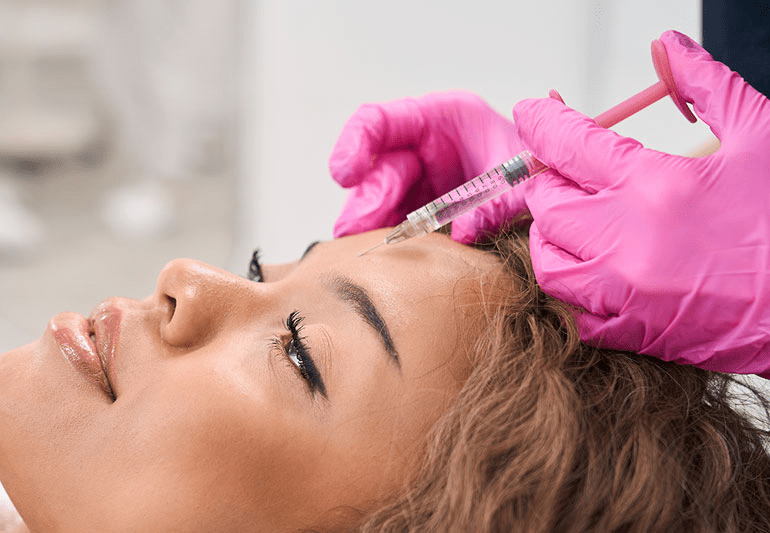
Cosmetic Botox is FDA-approved for adults 18 and over, meaning minors require parental consent. Even then, providers proceed cautiously.
Jazlyn recalls her med spa provider hesitating before agreeing to treat her — repeatedly checking if she was absolutely sure. The risks were clearly explained.
Short-term side effects like swelling or bruising are uncommon but possible. More serious complications are rare. Long-term concerns, however, are where uncertainty creeps in.
Repeated treatments may weaken facial muscles or reduce expressiveness. In some cases, the body may develop resistance, making Botox less effective later in life. And there’s the financial cost — treatments last only a few months, meaning years of repeat appointments.
Beyond physical risks, experts also question the psychological impact. Confidence at that age is fragile. Relying on injectables too early may shape how young people define self-worth.
Confidence Over Caution
Despite the debate, Jazlyn remains unfazed.
To her, Botox isn’t drastic or dangerous — it’s no different than getting her hair styled or makeup done. She understands the risks, has watched countless cautionary videos, and still feels confident in her choice.
For now, she’s focused on how it makes her feel — more comfortable, more confident, more herself.
Whether starting Botox at 16 will prove beneficial or regrettable decades from now remains unknown. What’s clear is that Jazlyn’s story reflects a larger shift in how beauty, autonomy, and self-image are being redefined — earlier than ever before.
