
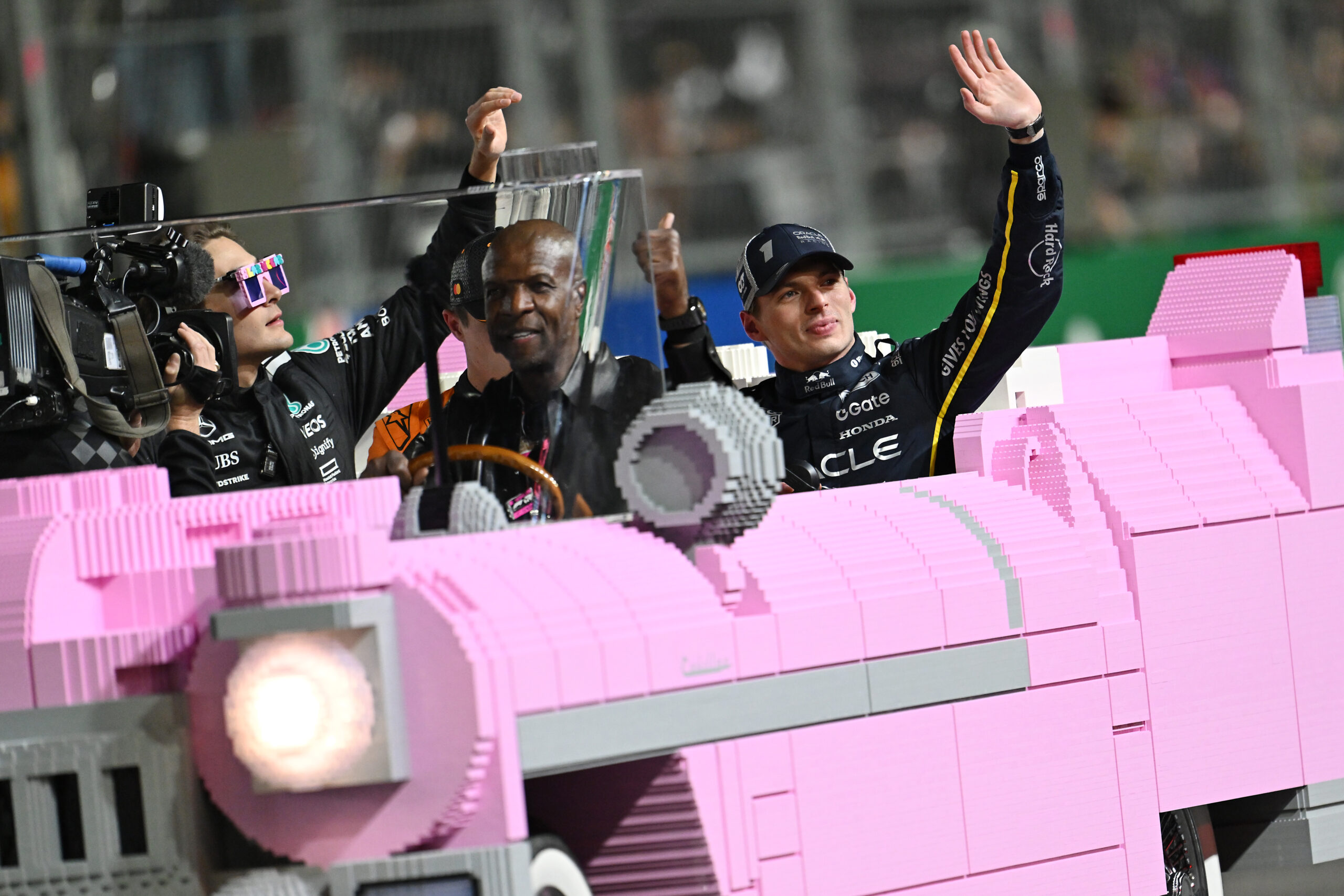
From brick trophies to a pink Cadillac: How Lego is going all in on Formula 1 is more than a catchy headline—it’s a snapshot of how the iconic toy brand is reshaping the way fans experience motorsport, one brick at a time.
Rebuilding Motorsport Engagement, Brick by Brick
Lego is reimagining motorsport fandom by blending creativity, play, and spectacle. In 2025, the company launched a major partnership with Formula 1, rolling out officially licensed F1 sets to stores worldwide and activating immersive fan experiences at races across the calendar. Nearly a year in, the collaboration has paid off, driving stronger engagement for both brands, boosting promotional sales, and widening the audience reach for Lego and Formula 1 alike.
That momentum showed up clearly in Lego’s financials. In August, Lego CEO Niels Christiansen highlighted the Formula 1 collection as a key contributor to record first-half revenue and operating profit. The privately held company posted a 12% year-over-year revenue increase to 34.6 billion Danish kroner (about $5.4 billion) for the first six months of 2025.
Tapping Into a Global Fan Phenomenon
Formula 1’s explosive growth has made it an irresistible partner. Julia Goldin, Lego’s chief product and marketing officer, described F1 as the largest motorsport in the world by fandom—one that continues to attract new audiences across ages and interests. For Lego, the appeal wasn’t just about aligning with a popular sport, but about creating something distinctive that would resonate with fans on a deeper level.
Rather than simply borrowing from an existing fan base, Lego has used the partnership to expand it. By designing detailed, team-accurate F1 car sets, the company has created entry points for newcomers while giving longtime racing fans a new way to express their passion.
Industry observers see the strategy as well-timed. James Zahn, editor-in-chief of The Toy Book, notes that motorsports have enjoyed a cultural upswing in recent years, with Formula 1 emerging as a cross-generational phenomenon that extends far beyond traditional racing audiences.
Media Momentum Fuels the Flywheel
The growing popularity of Formula 1 has also been reflected in media viewership. ESPN, which aired the 2025 F1 season in the U.S., reported record average viewership of around 1.3 million viewers—up sharply from just over half a million in 2018, the first year of its F1 broadcast deal.

That momentum continues into the future. Beginning next season, U.S. broadcasting rights will shift to Apple TV, following the success of the Apple-distributed film “F1: The Movie,” which debuted in cinemas in June. For Lego, this expanding media footprint only amplifies the impact of its product and experiential tie-ins.
Products for Every Builder—and Experiences to Match
Lego’s F1 lineup was intentionally broad. It included Duplo sets for preschoolers, classic builds for casual fans, and advanced Technic models for experienced builders. But the partnership didn’t stop at retail.
Throughout the season, Lego showed up trackside with eye-catching activations. Fans saw life-size, fully functional Formula 1 cars built from bricks, and at the British Grand Prix at Silverstone, podium finishers were even awarded trophies crafted entirely from Lego.
Perhaps the most talked-about moment came at the Las Vegas Grand Prix, where the top three drivers were transported to media duties in a life-size pink Lego Cadillac—an unmistakable nod to the Cadillac F1 team set to join the grid in 2026. It was playful, bold, and instantly shareable, perfectly capturing Lego’s approach to the sport.
Building Toward a More Inclusive Future
With the 2025 season complete, Lego is already accelerating into what comes next. A key focus is inclusivity, highlighted by a growing relationship with F1 Academy, the all-female racing series under the Formula 1 umbrella.
Susie Wolff, managing director of F1 Academy, has called Lego a “dream partner,” citing strong alignment between the brand’s values and the league’s mission to develop young female drivers and challenge the perception of motorsport as a male-dominated space.
Starting in 2026, Lego will sponsor an F1 Academy car driven by 20-year-old Dutch racer Esmee Kosterman. For Lego, the partnership goes beyond branding—it’s about visibility, credibility, and showing families that there is real opportunity for women in motorsport.
As Zahn points out, female fans have always been part of racing’s audience, but they’ve often been overlooked on the consumer products side. Both Wolff and Goldin note that women now represent one of the fastest-growing segments of Formula 1’s global fan base.
By aligning creativity with speed, play with performance, and tradition with inclusivity, Lego isn’t just building models—it’s building a new kind of motorsport fandom.
